
Finding People Across King County
No universal county database joins every name, address, phone, court matter, parcel, and license. Start with the fact least likely to belong to a namesake. An exact address belongs in the parcel tools. A company name belongs in the state corporation system. A case number goes to the court that filed it. A person's name can begin in the Recorder's party index, but it should be narrowed by a middle initial, date, spouse, document type, or place.
Keep each number a portal returns. A recording number leads to a deed image or Archives request. A parcel number links the map, assessment report, and recorded land documents. A case number lets a clerk retrieve the official file. These links make a King County search auditable instead of relying on a same-name match.
Spelling needs its own plan in a county shaped by migration and many language communities. Test compound surnames with and without spaces or hyphens. Try former names, shortened given names, initials, and likely transliterations. Older directories may abbreviate first names or Anglicize them. Search broad text first, then narrow with a date or place. A spelling variant is a search tactic, not evidence about a person's identity or background.
- Write down known spellings, former names, dates, addresses, and affiliations.
- Choose the official index keyed to the strongest fact, then save its record number.
- Compare a second source that describes a different role, such as owner, litigant, licensee, or occupant.
- Request the underlying image or file from the named custodian when the web result is only an index.
- Resolve conflicts with dates and identifiers rather than assuming identical names identify one person.
King County Search Custodians
The Recorder accepts and indexes land instruments, liens, releases, plats, surveys, covenants, and marriage returns. The Superior Court Clerk keeps its court files. District Court runs its own case access and request channels. The Department of Assessments ties parcels to taxpayer and owner data, while Public Health handles specified birth and death products. These offices do not substitute for one another. Detailed access law, fees, and request routes are organized on the King County public records page.
King County Recorder
201 S. Jackson St., Suite 204
Seattle, WA 98104
206-477-0800
Search King County Landmark Names
Landmark indexes recorded documents from 1976 forward. Search by party name, document type, date range, recording number, parcel number, legal description, book and page, or section-township-range. A grantor gives or transfers an interest; a grantee receives one. Other parties may be borrowers, lien claimants, trustees, spouses, or beneficiaries, so a hit does not always mean present ownership.
| Landmark input | Best use | Important limit |
|---|---|---|
| Party name | Deeds, liens, releases, and marriage returns | Try variants and a date range |
| Recording number | Direct record retrieval | Image access depends on date and class |
| Parcel or legal description | Land history | Parcel indexing was uneven before about 2002 |
| Book and page | Plats and older map references | Choose the correct book type |
The Landmark interface shows the actual search modes used for King County people and property research.
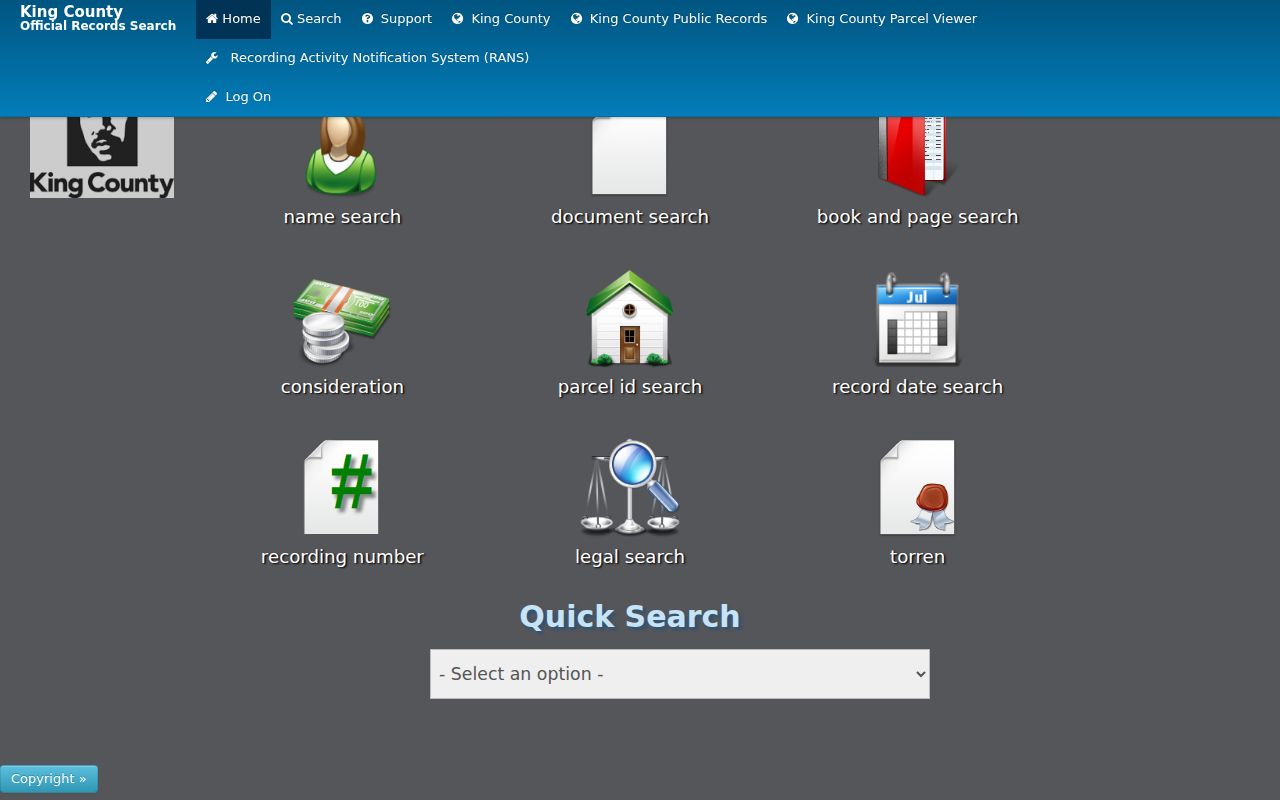
Record the party role, recording number, date, document type, and linked image status from each result. Sorting affects only the loaded results page, so repeat filters on later pages.
Bridge the King County Image Gap
Landmark's chronology creates a useful two-step route. Metadata begins in 1976, but most online document images begin on August 1, 1991. A result from 1976 through July 1991 is still valuable. Carry its recording number and party details to King County Archives, which provides the image or copy. For 1853 through 1975, Archives holds the General Recordings Index on microfilm, arranged by party name and date.
Parcel-only searches also miss some earlier recordings because parcel identifiers were not indexed consistently until about 2002. Repeat the work by owner name, prior owner, legal-description fragments, book and page, or section-township-range. This is often the difference between a short recent trail and the actual chain of title.
Turn King County Addresses Into Names
Property work uses three systems. The Parcel Viewer resolves an address to a ten-digit parcel, jurisdiction, taxpayer clue, and report links. The Assessor's eReal Property report supplies owner or taxpayer, mailing address, legal description, value history, sale details, and building facts. Landmark then supplies the deeds and related instruments. The taxpayer mailing address can belong to a trustee, agent, or billing office, so it is not proof that a person lives at the site.
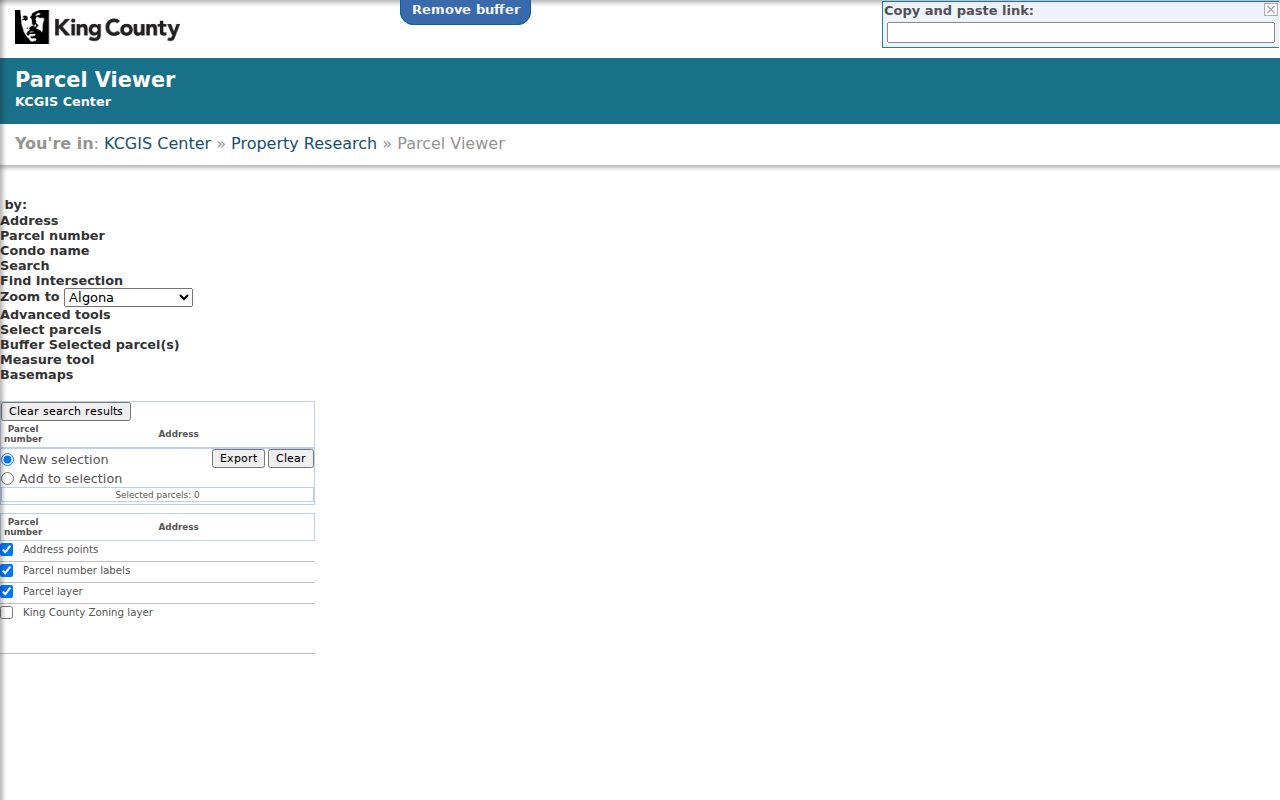
The map is also the safest way to settle jurisdiction. A postal address that says Seattle may lie in an unincorporated pocket served by King County Local Services rather than a Seattle office.
Next, open eReal Property by parcel, address, or condominium name.
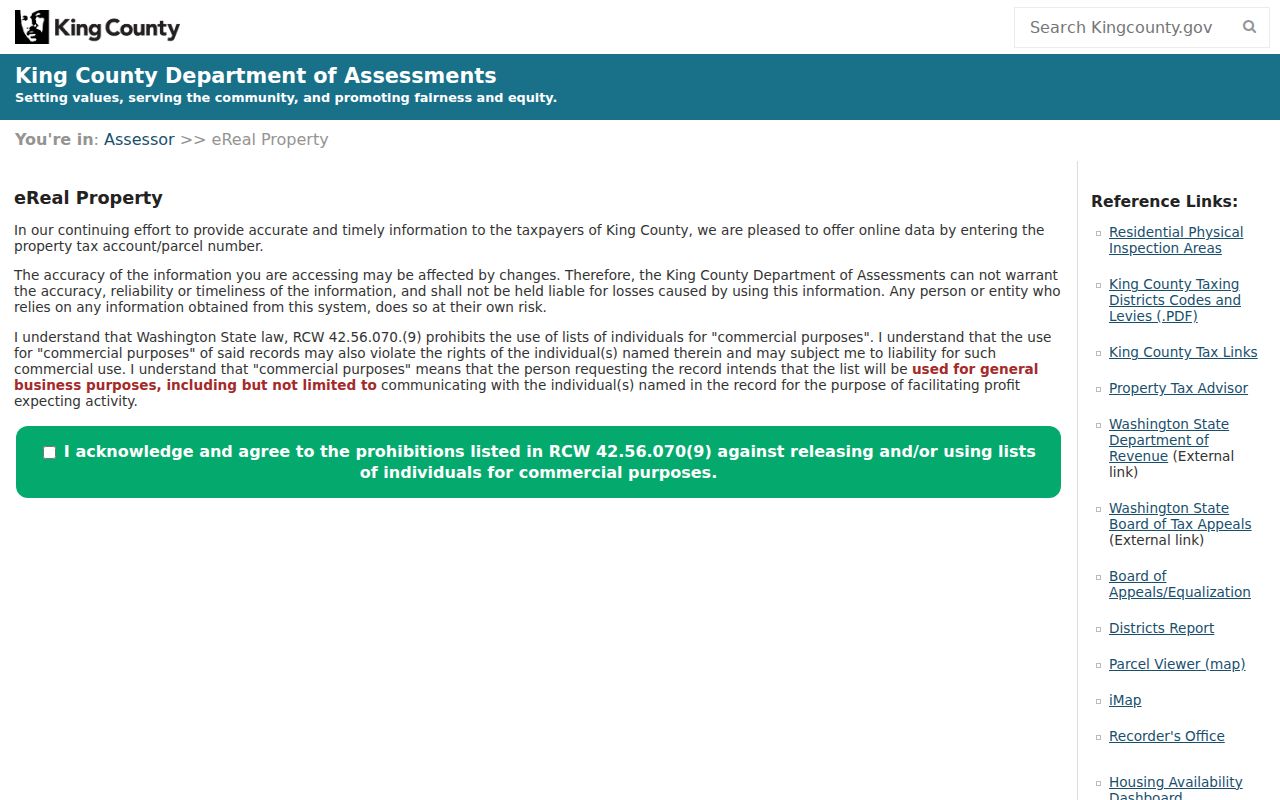
The Assessor does not advertise a reverse owner-name search. Start from the land, then read the taxpayer trail and compare it with deeds or a historic reverse directory.
Continue beyond the current report when the goal is a past resident. Sales and excise references can point to a recorded transfer. Search each buyer and seller in Landmark, then follow the earlier owner named in the prior deed. A reverse city directory answers a different question by listing the occupant found at a street address in a given year. Permit files may add public applicants or project contacts. Together, those sources distinguish a legal owner, a tax-mail recipient, a permit contact, and the person who actually appeared in a household directory.
- Situs address
- The physical property address.
- Taxpayer address
- The destination for tax mail, which may be remote.
- Parcel
- The county's numbered unit of land for assessment.
- Legal description
- The lot, block, subdivision, or land description that controls when street names change.
Check King County Court Names
King County Superior Court handles felonies, larger civil matters, probate, family, and juvenile cases. District Court handles misdemeanors, infractions, small claims, and other limited matters. Seattle and other municipal courts keep their own local cases. The Washington Courts Search Case Records index can be narrowed by court level, name, case number, county, and available date controls.
A docket is the court's event list. Typical index fields include case number, title, parties, court, case type, filing date, and status. The index is not the official file. Sealed matters and protected identifiers do not appear, while juvenile, adoption, and some family records have tighter rules.
| King County court source | Case scope | Document fallback |
|---|---|---|
| Superior Court | Felony, major civil, probate, family | Clerk portal, correspondence desk, or archived retrieval |
| District Court | Misdemeanor, infraction, small claims | Public terminal, email, fax, or counter request |
| Municipal courts | Local ordinance and city cases | Individual municipal court clerk |
| Western District of Washington | Federal cases | PACER or federal district clerk |
Federal party and case searches use PACER, which requires an account.
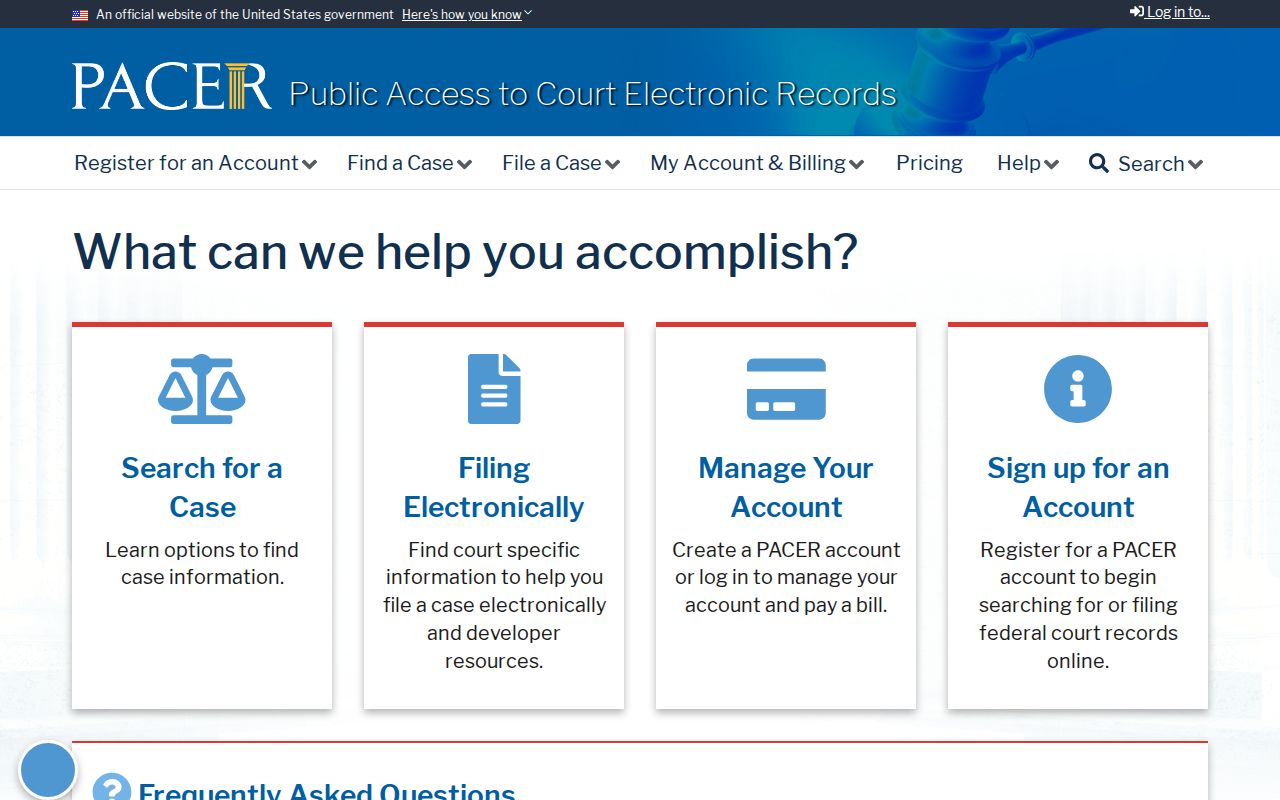
PACER currently states a per-page fee with common document caps and a quarterly waiver threshold. Confirm the current federal fee schedule before ordering.
District Court offers more than its web search. Any person may use a public courthouse terminal during posted weekday hours or submit a case-record request by email, fax, or at the counter. The request identifies the case number, case or party name, desired document, delivery choice, and whether certification is needed. Superior Court copies come from its Clerk, and archived matters may need retrieval. Administrative records follow a separate court rule and form from case files.
Reach King County Vital Records
Recent vital certificates are not an open name directory. Public Health, Seattle and King County issues Washington births registered from 1907 forward and specified Seattle, King County, and recent statewide deaths. The Recorder supplies King County marriage certificates. The Washington Department of Health provides statewide birth and death products plus marriage and divorce certificates from 1968 forward. A divorce decree comes from the court clerk, not the health certificate.
Certified birth and death records generally require identification and a qualifying relationship under chapter 70.58A RCW. Informational birth copies and short-form death copies are available more broadly but cannot replace a certified security-paper product. For genealogy, State Archives transfer periods open births after 100 years and deaths, marriages, and divorces after 25 years. Earlier work may also require church registers, newspapers, cemetery files, census schedules, and county registers.
Follow King County Family Trails
Probate offers a lawful route for heir research. Search Superior Court by the decedent's name, obtain the petition or order from the Clerk, and compare it with an obituary, death index, and cemetery record. A docket caption alone does not prove kinship. Birth-family research has its own Washington adoption forms, birth-parent contact preferences, original-certificate rules, and court or confidential-intermediary procedures. A routine certificate order should never be treated as a shortcut around sealed adoption records.
The Seattle Public Library Genealogy Collection holds more than 40,000 volumes plus census, immigration, military, newspaper, obituary, and directory resources.
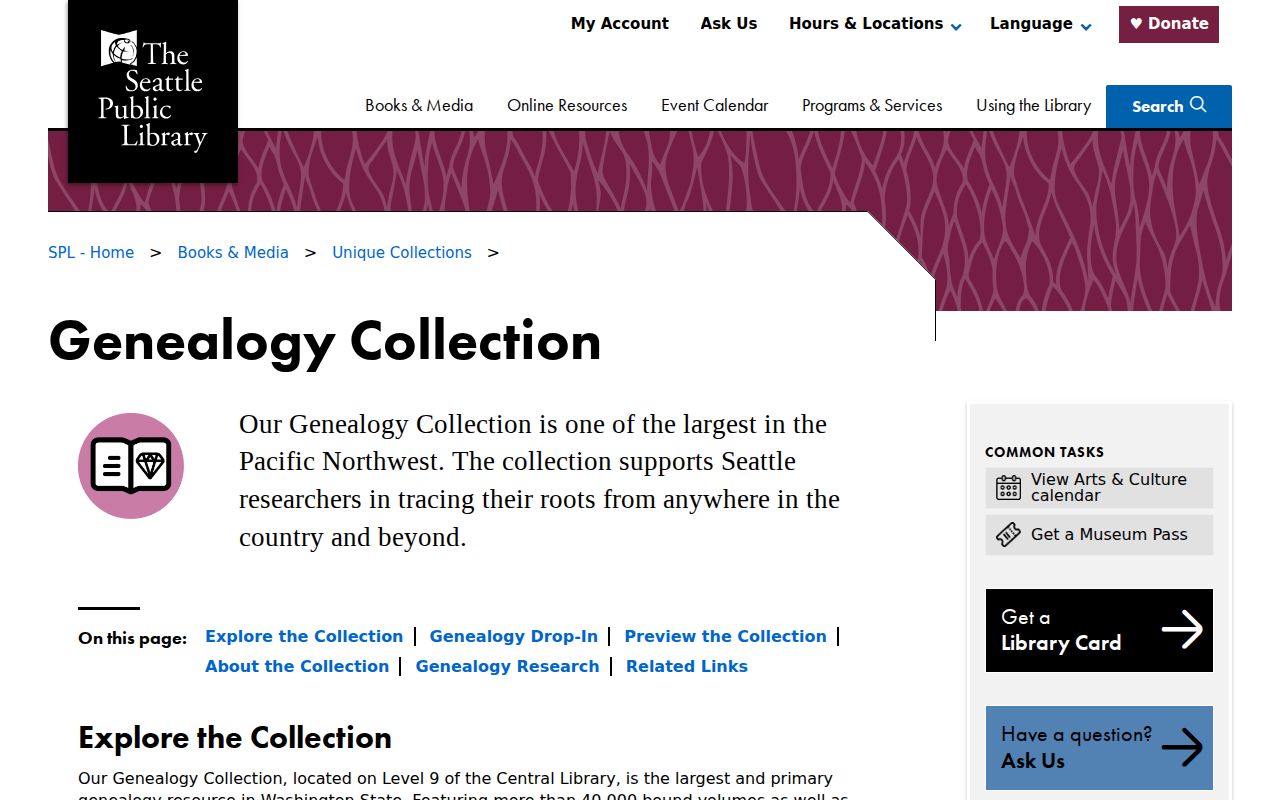
Some databases require a library card or in-library use. Librarian appointments may be in person, by phone, or virtual, while the Seattle Room and regional archives add noncirculating and appointment-based sources.
Search King County Historical Records
The Washington State Digital Archives provides a name-searchable bridge to historical government collections, including transferred vital and local records.
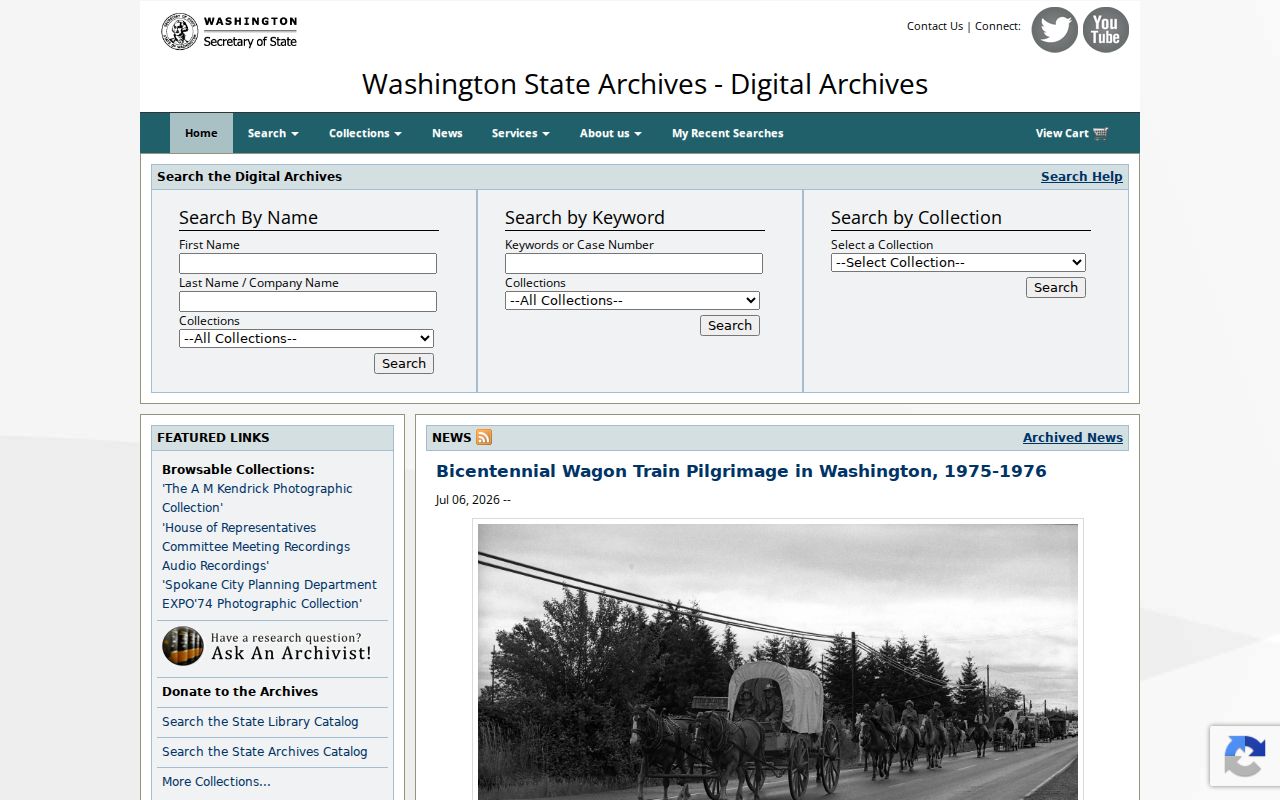
King County Archives holds more than 300 collections and over 18,000 linear feet dating from 1853. Seattle's 1889 fire destroyed city tax information for 1885, 1886, and 1887, but surviving General Files preserve petitions, claims, licenses, and rebuilding evidence. That selective gap calls for a pivot to county recordings, city directories, newspapers, and surviving claims rather than a claim that all local records burned.
Address-first research is especially strong. Seattle's 1928 house and street directory is the earliest digitized reverse directory, followed by 1931 and 1934 address books and regional Polk holdings through 1983. These identify occupants, while assessor rolls and deeds identify taxpayers and owners. The roles may differ.
Annexation can shift the search to a different shelf. Ballard, Columbia, Ravenna, Southeast Seattle, South Park, and West Seattle joined Seattle in 1907, while Georgetown followed in 1910. Separate pre-annexation directories and municipal records may still use those former city names. The Puget Sound Regional Archives adds territorial censuses, school census records, probate indexes, voter registers, and selected Polk directories. Researchers can arrange a Bellevue visit or ask staff for reference help by phone or email.
Identify King County Business People
A trade name can hide the legal entity behind it. Search the Washington Corporations and Charities Filing System by name or UBI to find status, registered agent, addresses, governors, and public filing history.
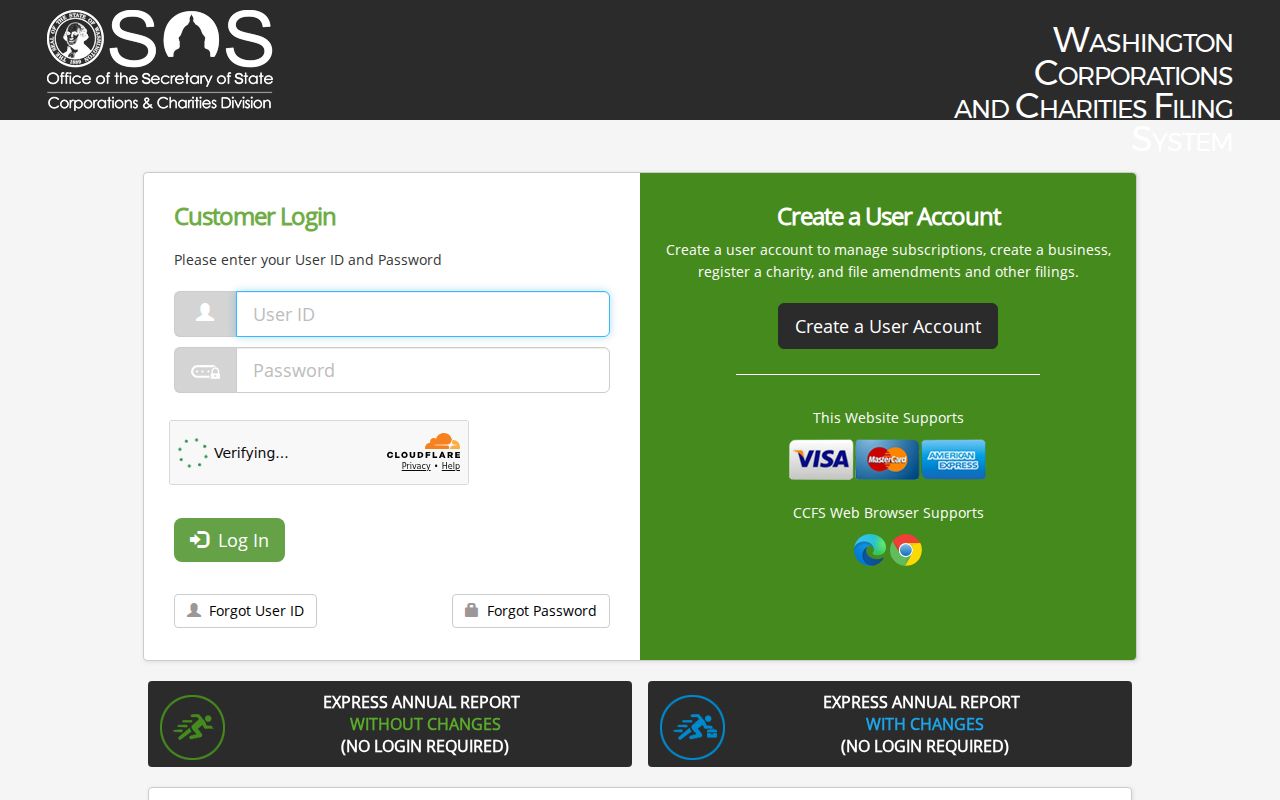
A registered agent may be a service provider rather than an owner. Compare annual reports, city business certificates, property records, and the correct license system before tying a person to the company.
For regulated work, the Washington Department of Licensing lookup accepts name, license number, license type, and location.
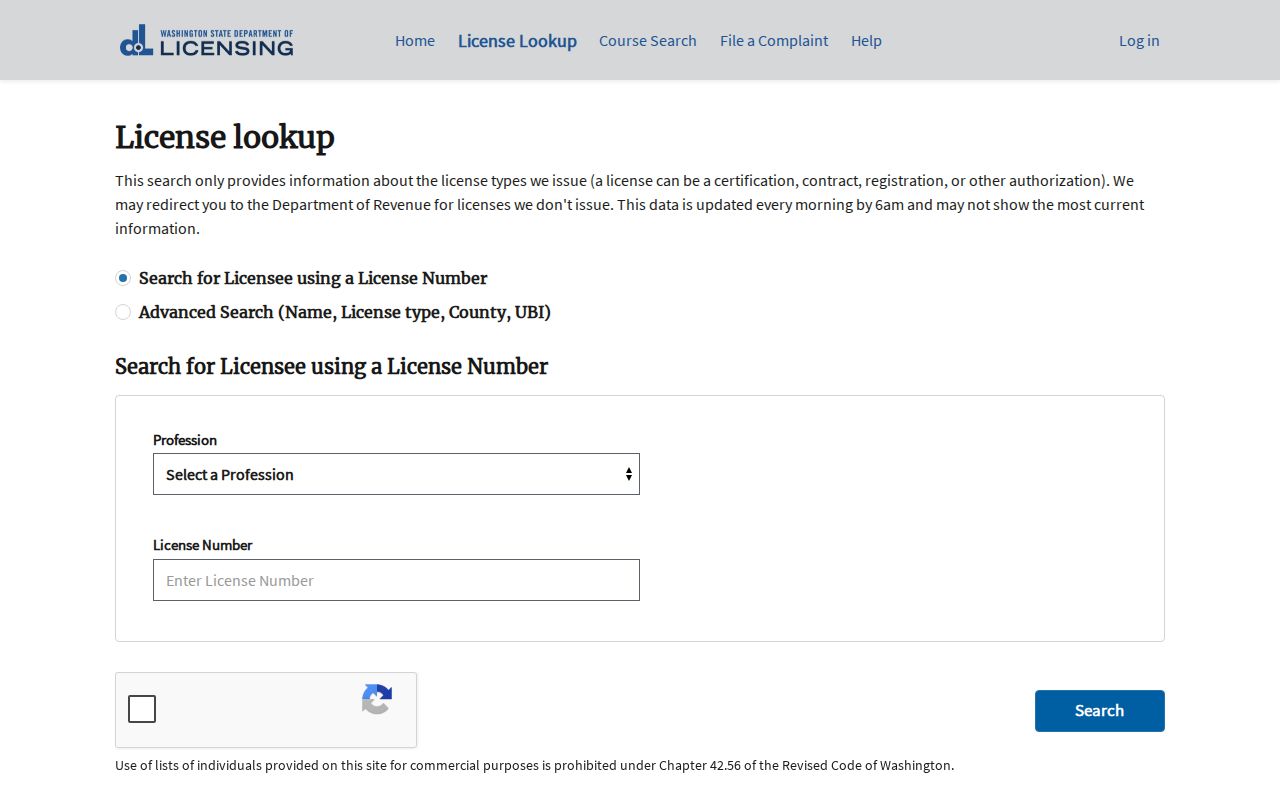
Credential status, expiration, location, or discipline varies by profession. A license proves authorization in that field, not a broad identity history. More staff, professional, education, and historical sources appear in the King County people directories.
Use King County Voter Records Carefully
VoteWA/MyVote is a personalized tool for registration status, districts, ballot status, and election details. It is not a reverse-name directory. Washington makes specified voter fields public, including name, address, jurisdiction, gender, birth year, participation history, registration date, and registration number, subject to protected-record exceptions. Participation history never reveals a ballot choice, and Washington does not register voters by party.
Statewide extract requests are centralized at the Secretary of State under a law effective March 25, 2026. Commercial solicitation is prohibited, private identifiers remain confidential, and Address Confidentiality Program records receive protection. The King County voter registration page covers the personal lookup, extract request, public columns, and restricted uses end to end.
Protect People During King County Searches
Public access never authorizes stalking, harassment, threats, impersonation, or harmful publication. Washington's Address Confidentiality Program gives eligible survivors a substitute address for new state and local records and protected voter registration. It does not erase older records created before enrollment. Courts, vital-record offices, voter systems, and agencies also apply their own confidentiality rules.
Commercial people-finder data may be stale, merged across namesakes, or copied without clear provenance. Official records are narrower but identify their custodian and record date. For family history, reconnection, estate work, scam checks, and civic research, compare the compiled profile against the source record. Corrections or suppression requests must go to the office that controls the record under its law and procedure.
Scams often quote a real deed, parcel, court, or relative detail to appear official. Find the agency's government page independently and call its published number. King County's Recording Notification Service is free and sends an alert after a document is recorded under a subscribed name. It does not block a filing or prove fraud. An unfamiliar deed-copy offer or paid alert enrollment should be compared with the Recorder's actual services before money or identity documents are sent.